Apparel, Footwear & Accessories, Trend Identification
Menswear Fall 2023 Buyers’ Guide
The most commercial trend highlights to back from the Fall 2023 runways, paired with data insights.

Blog
Retailers still treating it as one are already behind.
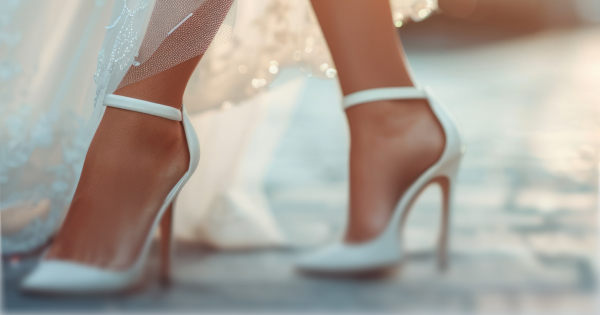
A third of engaged couples in the UK are now Gen Z consumers expecting multiple looks across multi-day wedding celebrations and moving away from traditional bridal norms.
The bridal wear market is valued at $71 billion (USD) in 2026 and is projected to reach 83 billion (USD) by 2030. The driver isn’t more weddings- it’s higher spend per wedding, from a more fashion-literate consumer across more occasions.
Data shows:
For buying and merchandising teams, this is no longer a single-SKU category. The retailers treating bridal as a full-occasion wardrobe opportunity are already seeing it in sell-through, basket size, and category expansion.
Today’s bridal customer is older, more financially established, and more fashion-literate than previous generations,prioritizing quality, craftsmanship, and individuality over traditional bridal conventions.
The result is a K-shaped bridal market, where premium spending continues to rise while more price-sensitive consumers pull back. Higher earners are doubling down on discretionary bridal spend on bespoke commissions, destination weddings, multi-event wardrobes, and luxury accessories. Lower earners are pulling back.
For buying teams, the market is experiencing a shift. The mid-market bridal offer is thinning out, and the strongest commercial opportunity sits at the premium and entry-accessible ends of the market.
The aesthetic has shifted. According to Vogue Business, TikTok posts containing #WeddingDress were up 50% year-on-year in April, according to TikTok UK’s head of luxury. They’re not browsing. They’re converting.
The question for merchandising teams is whether the range is there to meet them.
Using data from EDITED’s 2026 Trend Forecast: Bridal retail report, retailers are accelerating investment in bridal, and the strongest growth is concentrated around a handful of commercially proven trends.
Bridal dress arrivals are up 30% year-on-year in SS26, led by ASOS, Karen Millen, and Debenhams across mass and premium retail markets. The category is expanding fast, but growth isn’t evenly distributed.
The strongest investment is concentrating on a handful of silhouettes already proving commercial traction.
EDITED market data shows mini bridal dresses are up 79% year-on-year in SS26 and now account for 21% of all new bridal dress arrivals, vs 16% the year previous.
For retailers outside traditional bridalwear, market data points to minis as the clearest entry opportunity: lower commitment, proven demand, and relevance across hen, civil ceremony, reception, and honeymoon wardrobes.
Drop waist dress intake is up 44% year-on-year and 21 new options arriving so far in SS26 but the key signal is where the silhouette is appearing.
The insights:
Timing matters. Retailer email campaigns featuring drop-waist silhouettes launched weeks ahead of the traditional January bridal push, signalling competitive urgency earlier in the season.
Corset bridal arrivals are up 90% year-on-year, driven by the influence of Vivienne Westwood and rapidly adopted across mass market retailers.
What makes corsetry commercially strong is versatility:
These features are expanding spending beyond a single dress purchase into multi-look bridal wardrobes.
The biggest whitespace opportunity may not be dresses at all.
Bridal accessory sell-outs increased from 2pt s to 19pts MoM, showing clear acceleration in full-look bridal purchasing behaviour, with jewellery and bags leading growth.
Brands including NA-KD, Accessorize, and Cult Gaia have already launched bridal-focused social campaigns this month, positioning accessories as part of the broader wedding wardrobe rather than an add-on category.
For buying teams, accessories offer one of the lowest-risk ways to capture incremental bridal spend across multiple price points.
The bridal opportunity is no longer confined to traditional bridal retailers.
Market data from EDITED reveals surging consumer interest in multi-look outfitting, versatile silhouettes, and accessory-focused styling categories that offer lower barriers to entry and faster trading opportunities. Retailers seeing early success are those committing to category depth rather than simply testing limited selections.
The commercial logic of bridal has shifted in another important way, as it’s no longer seasonal.
From engagement through honeymoon, the bridal journey has become an extended content cycle, and brands are benefiting from sustained visibility long after the wedding day itself.
Today’s bridal customer is no longer shopping for a single event. She is building a wardrobe across multiple moments, each generating its own wave of search, social engagement, and purchase intent.
The categories benefiting most extend well beyond the dress itself:
Bridal messaging remains a key focus during the post-festive period, with retailers such as Anthropologie and Nobody’s Child launching dedicated “Wedding Shops” on January 1st. For retailers, this extends the demand cycle and creates additional opportunities for category cross-sell. Brands’ positioning of products within the broader bridal wardrobe is driving greater visibility and conversion than a traditional bridal edit alone would typically achieve.
For buying teams, the question is whether your assortment is broad enough to capture the full occasion wardrobe and whether inventory is landing early enough to meet spikes in search demand.
The opportunity in bridal doesn’t require building a dedicated category from scratch. For non-bridal retailers, the starting point is straightforward: update bestselling mini dress styles in ivory and white. The silhouette already converts. The only shift is colorway and positioning, and the customer is already searching for it.
From there, the category expands naturally into adjacent occasions and complementary categories:
Each layer creates additional margin opportunity while extending the customer relationship across what has become, for many brides, a 12-to-18-month spending journey.
The retailers winning in bridal are not necessarily the ones with the largest assortment. They are the ones that:
The signals are already there- in sell-out rates, search behavior, and in the assortments of the retailers that moved first. The question is no longer whether bridal is a commercial opportunity for retailers. It’s whether your assortment strategy reflects how consumers are shopping in 2026.
The retailers outperforming in bridal are identifying emerging silhouettes before saturation, understanding where competitors are investing depth, and spotting pricing white space before the market shifts.
That is where market intelligence becomes a competitive advantage. EDITED helps buying and merchandising teams track demand in real time, benchmark assortments against the market, and build bridal strategies grounded in commercial insight – not hindsight.
Book a demo today.