Apparel, Footwear & Accessories, Trend Identification
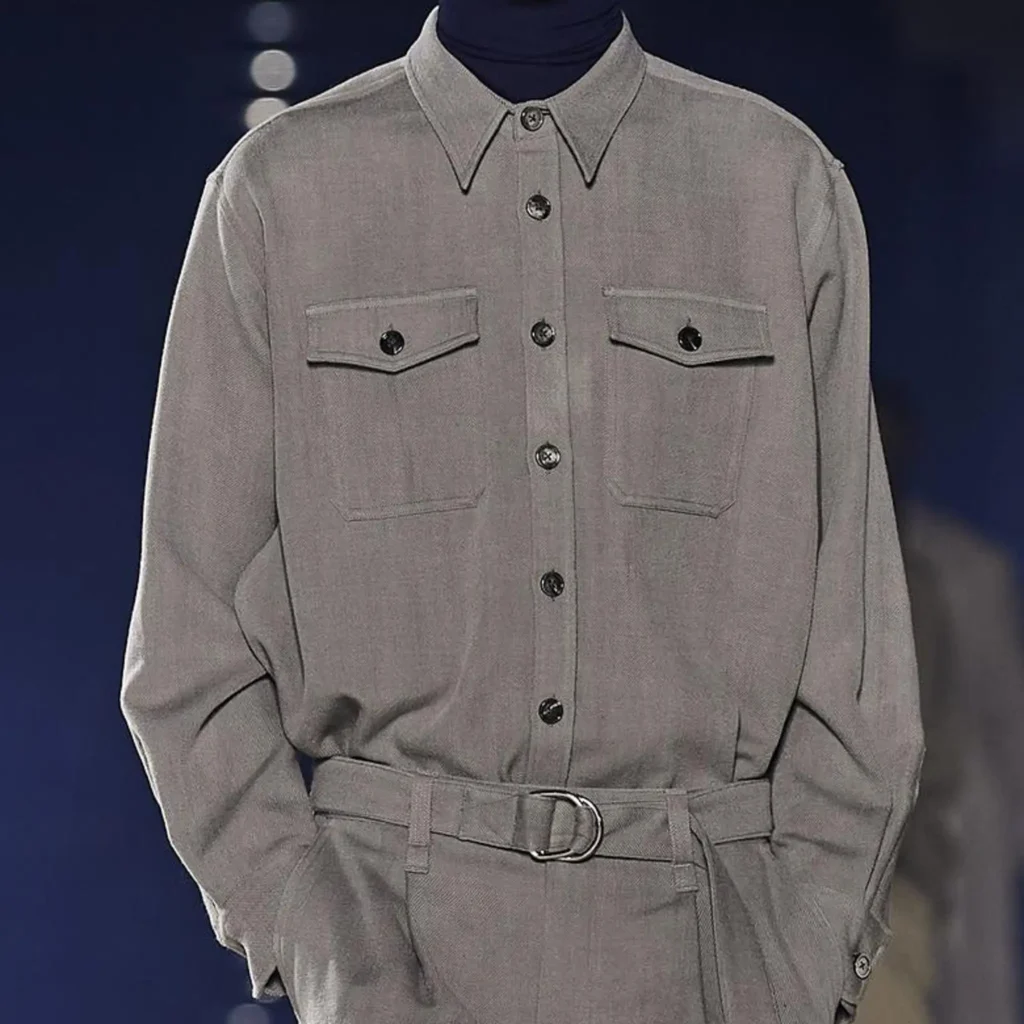
Menswear Fall 2023 Buyers’ Guide
The most commercial trend highlights to back from the Fall 2023 runways, paired with data insights.

Blog

In today’s fast-moving market, it’s easy to get caught up in every small change in data. A sudden spike in sales, a temporary dip in website traffic, or a fleeting social media trend can feel urgent, but not everything deserves your attention. The real challenge is knowing what’s meaningful and what’s just noise.
Retailers see sudden jumps or drops in sales all the time. Maybe a neon jacket sells out in one store, or a skirt blows up on social media. It’s tempting to react, but fast-moving spikes don’t always stick. These short-lived shifts are noise, not indicators of lasting demand.
Trends, on the other hand, are the movements that stick. They reveal what customers are genuinely gravitating toward across stores, categories, and even competitors. Spotting these early gives you a real advantage: the right assortment in the right place, pricing that lands, and marketing that resonates with your customers.
Separating noise from real trends isn’t just analytical, it’s operational. Focusing on trends helps retailers make data-driven decisions that maximize revenue, reduce markdown risk, and keep customers engaged.
One store selling out doesn’t mean a nationwide trend. Real trends show consistent demand over time. By analyzing sales and sellouts across weeks or months, you can spot patterns that are here to stay.
2. Check Consistency Across Retailers and Channels
True trends appear everywhere: online, in-store, across marketplaces, and among competitors. If only one channel is performing, it’s probably a short-term blips.
3. Track Duration and Speed of Growth
Trends don’t happen overnight; they build steadily. A sudden spike that disappears after a week is noise. Slow, steady growth is the real signal you want to act on.
4. Use Historical Context
Compare this season to previous ones. Is this color, or style genuinely new, or just a recurring seasonal preference? Understanding the past helps prevent costly overreactions.
5. Segment by Product Attributes
Don’t just look at overall sales, dig deeper. Which colors, materials, or price points are driving demand? How does that compare to the wider market? Segmenting by attributes helps optimize assortment, reduce markdowns, and make smarter buying decisions.
6. Combine Internal and External Data
True trends are confirmed when internal sales data aligns with competitor performance and market signals. This insight informs pricing, allocation, and marketing campaigns that actually resonate.
EDITED brings together internal performance, real-time market insights, and deep product-level data in one connected platform. Retailers gain:
This 360° visibility empowers teams to react quickly, buy smarter, price confidently, and invest only where trends truly show momentum.
Spotting real trends isn’t about chasing every spike; it’s about combining data, context, and insight. With EDITED, retailers can identify trends early, act confidently, and make data-driven decisions that drive growth.
Book a demo to meet with EDITED experts and learn how our platform can transform the way you buy into trends.