Summary
- AI-driven tools are transforming how retailers achieve product visibility, providing teams with real-time insights into product performance, demand, and opportunities.
- Personalized shopping experiences, predictive inventory management, and connected data drive relevance and conversion.
- Dynamic pricing, competitive benchmarking, and proactive AI recommendations help teams act faster and smarter in every trading moment.
- Retailers who continually connect data across teams gain a clearer, more actionable view of their assortments, and ultimately, greater visibility in the market.
Introduction: Why Product Visibility Matters More Than Ever
The easier it is for customers to find and engage with your products, the stronger your competitive advantage.
Product visibility isn’t just about what’s on the shelf or online; it’s about how clearly your teams can see performance, demand, and opportunity across the entire product lifecycle.
When retailers can’t see what’s selling, why it’s selling, or how it stacks up against the market, they risk missing moments that matter.
Today, leading retailers are turning to AI-powered retail intelligence to bring full transparency to product performance, gaining access to more data and insights that drive increased relevance and personalization.
Let’s delve into five steps all retailers should take to enhance product visibility strategies with the help of retail intelligence.
Step 1: Segment and Personalize With Connected Data
Understanding your target audience is the foundation of great merchandising. With the right intelligence platform, retailers can connect internal performance data with customer behavior and market insights to build more precise customer segments.
This connected data helps you personalize product recommendations by segment, optimize visibility across channels, and strengthen conversions — all while ensuring your products align with evolving shopper intent.
Step 2: Use Predictive Analytics for Smarter Inventory Decisions
Once you know what each customer segment values, it’s crucial to ensure those products are available and discoverable. Nothing frustrates customers more than finding their desired product out of stock.
To prevent this disappointment, you can employ predictive analytics to forecast demand and help automate replenishment, so popular products stay in stock and slower-moving ones can be managed proactively.
Automatically surface insights on where to introduce, repeat, reduce, or highlight products based on live performance and market conditions. With proactive insights, you can take action before issues impact sell-through.
By ensuring that popular and high-demand products are consistently in stock and prominently featured on your website, you can boost product visibility and capitalize on customer interest.
Step 3: Optimize Product Naming and Categorization for Discoverability
Simply having a product in stock isn’t enough; customers need to be able to find it – easily.
By analyzing search trends, keyword data, and competitive product naming in a single platform, retailers can ensure their naming conventions align with how customers actually search and shop.
This alignment not only improves on-site discoverability but also ensures your digital experience mirrors real-world demand.
Step 4: Make Data-Driven Pricing and Promotion Decisions
Staying competitive requires visibility into how your prices and promotions stack up in real time.
Analyze historical and live competitor activity to set prices dynamically and launch more effective promotions with retail intelligence.
For example, view current and historical homepages, category landing pages, and emails from players in the market, or utilize heatmap analysis to see which days had the highest mentions of specific keywords and when retailers in the space started communicating trends, allowing you to improve your own promotions.
Visual merchandising and email analysis features show how and when key trends are communicated across the market so you can act on them at the right moment. The result: stronger visibility, optimized margins, and faster reactions to customer demand.
Step 5: Continually Monitor, Measure, and Adapt
Retail is a dynamic field, and what works today might not work tomorrow. Customer behavior and market dynamics change constantly — so your strategies should, too.
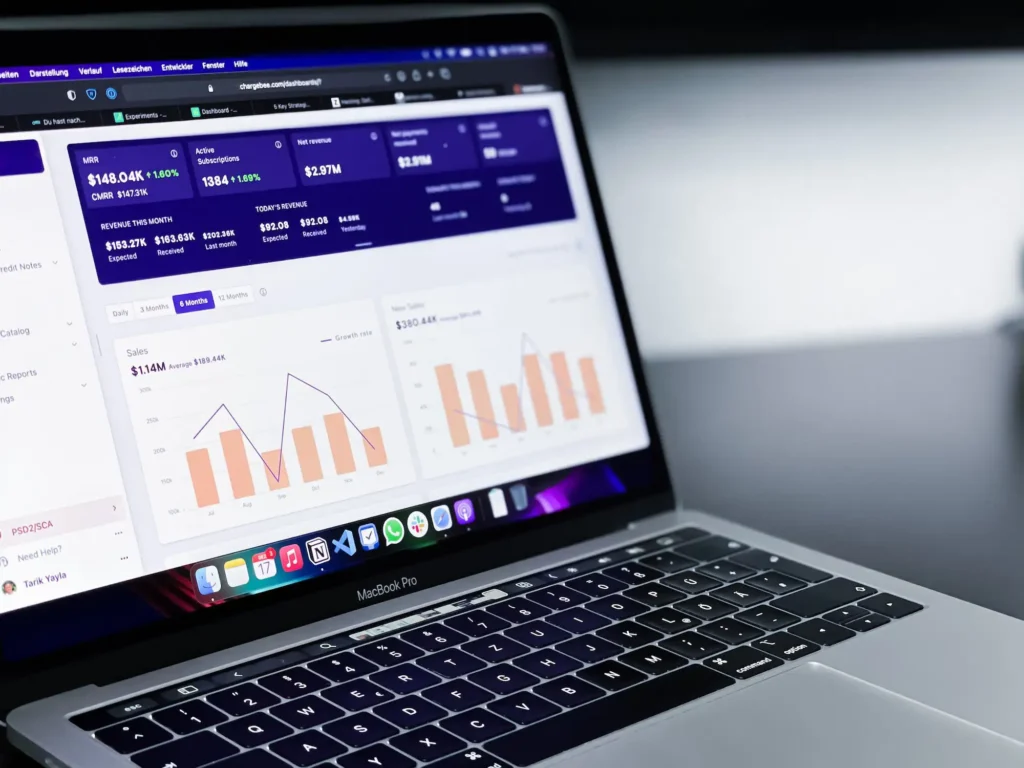
With the right retail intelligence solution, teams gain a personalized dashboard with real-time insights that surfaces Opportunities to adjust assortments, pricing, or promotions.
By continually monitoring what’s working (and what’s not), retailers can make confident, data-backed decisions that keep their products visible and relevant every day.
Conclusion
Improving product visibility is an ongoing process that requires a deep understanding of your customers, the market, and the evolving retail landscape.
Making effective changes starts with true visibility into your data. With EDITED, you can see your product performance clearly — in real time — and connect the dots between what’s happening inside your business and across the market.
Our AI-driven platform doesn’t just show you what’s happening; it tells you where to act next, helping you create more personalized strategies and increase your overall visibility.
Discover how EDITED can help you enhance your product visibility here.